Garden Ideas for Making the Most of an Awkward or Uneven Garden
Garden Ideas for Making the Most of an Awkward or Uneven Garden
An awkwardly shaped or uneven garden can feel difficult to work with. Sloping ground, narrow sections, changes in level and established trees can all make it harder to picture how the finished garden could look.
However, these features don’t necessarily need to be removed or hidden. With a considered layout, they can often become some of the most interesting parts of the garden.
Here are some practical garden ideas for making better use of an outdoor space that currently feels awkward, uneven or difficult to maintain.
Start with How You Want to Use the Garden
Before deciding where to put a patio, lawn or planting bed, think about what you actually want from the space.
You might want somewhere for outdoor dining, a safe area for children, easier access to the bottom of the garden or simply something that requires less maintenance. Most gardens need to serve more than one purpose, but trying to fit everything everywhere usually results in a cluttered layout.
Deciding what matters most will help determine which parts of the garden should be level, where paths are needed and which existing features are worth keeping.
Use Different Levels to Create Separate Areas
It can be tempting to flatten a sloping garden completely, but that isn’t always necessary—or the best use of the available space.
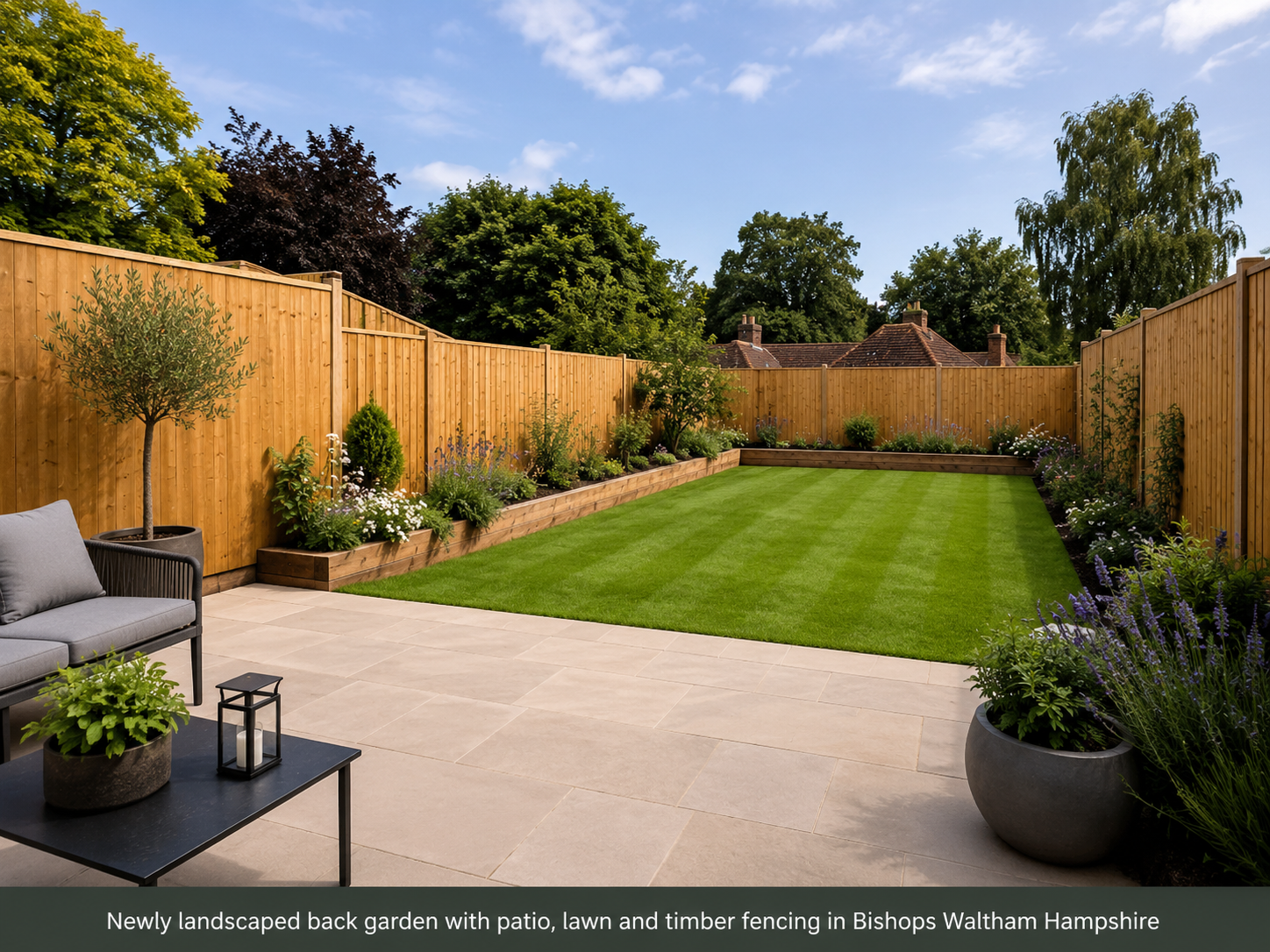
Creating a series of defined levels can make the garden more practical while retaining some of its natural character. One level might become a paved seating area, another a lawn, and a third a planted section.
Steps, retaining walls, raised beds and carefully positioned pathways can connect these areas and make the changes in height feel intentional. Breaking the garden into zones can also make a long or unusually shaped plot feel more balanced.
A professional team providing garden landscaping in Bishops Waltham can assess the existing levels and help establish which parts of the garden genuinely need changing.
Give the Patio a Clear Purpose
A patio doesn’t automatically need to sit directly outside the back door. Depending on the shape of the garden and where it receives sunlight, another position might work better.
A raised patio can provide a useful level area in a sloping garden, while a smaller paved section further down the garden can create a separate place to sit during a different part of the day.
Think about how much furniture the area needs to accommodate and leave enough room to move around it comfortably. A slightly smaller patio with sensible proportions will usually work better than a large area of paving squeezed into the wrong position.
Make Paths Part of the Design
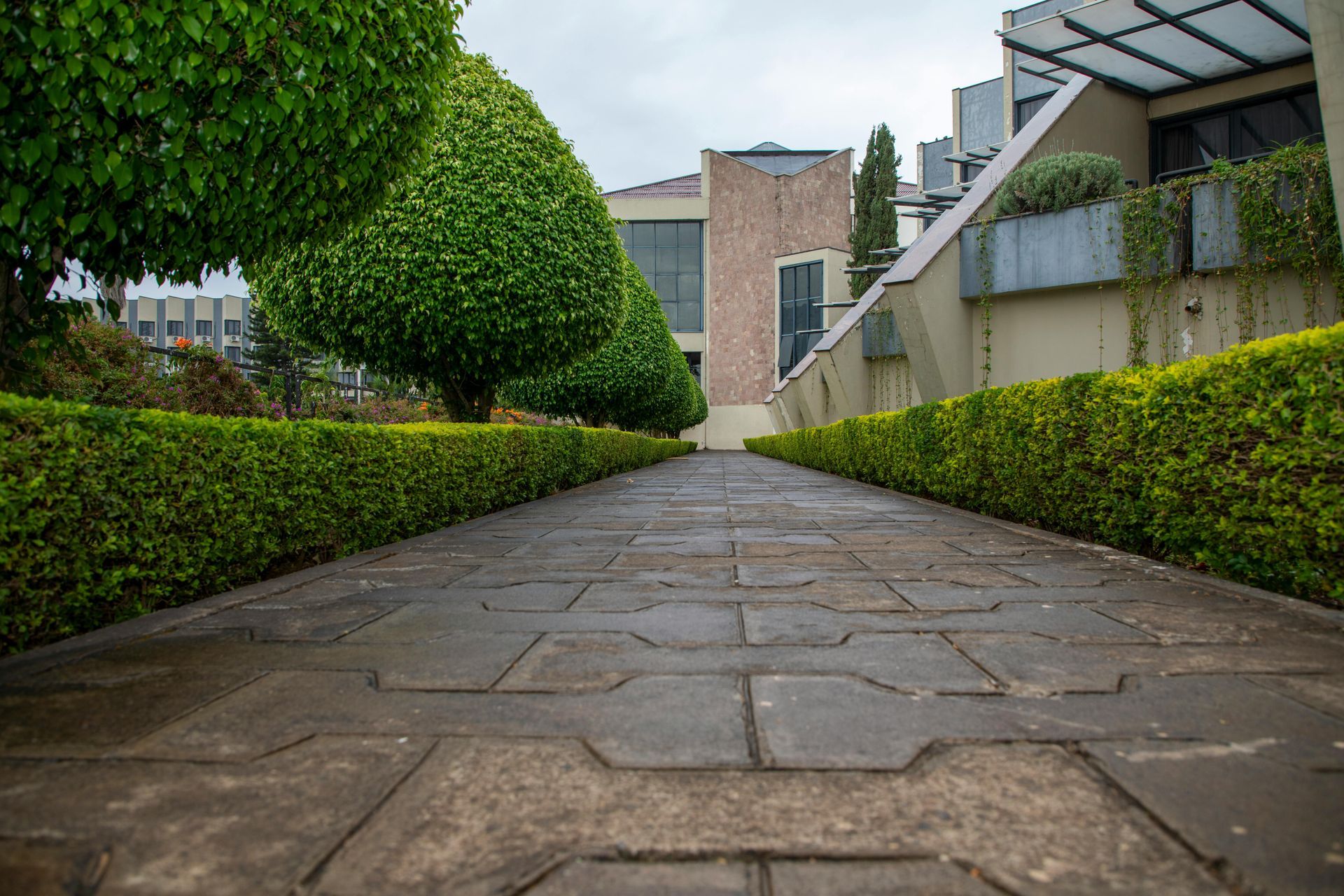
Paths are particularly important in uneven gardens. They provide safe, practical access, but they can also help guide the eye through the space.
Rather than forcing a perfectly straight path into an awkward garden, it may make more sense to follow its shape. Gentle changes in direction can connect different areas naturally and create space for planting alongside.
Materials should suit both the property and the way the path will be used. Gravel can work well in informal areas, while paving may be more appropriate for frequently used routes or places that need to remain accessible throughout the year.
Choose the Right Type of Lawn
A lawn can soften a garden and provide useful open space, but uneven or poorly prepared ground will make it difficult to maintain.
Before laying new turf, the ground needs to be properly cleared, levelled and prepared. Drainage and soil condition may also need attention, particularly where water currently collects.
For some gardens, one well-positioned area of lawn is more practical than trying to lay grass across every change in level. Professional turfing can provide a much cleaner finish when the existing ground is uneven or in poor condition.
Use Fencing to Improve the Shape of the Space
Fencing is usually treated as a boundary, but it has a significant effect on how a garden looks and feels.
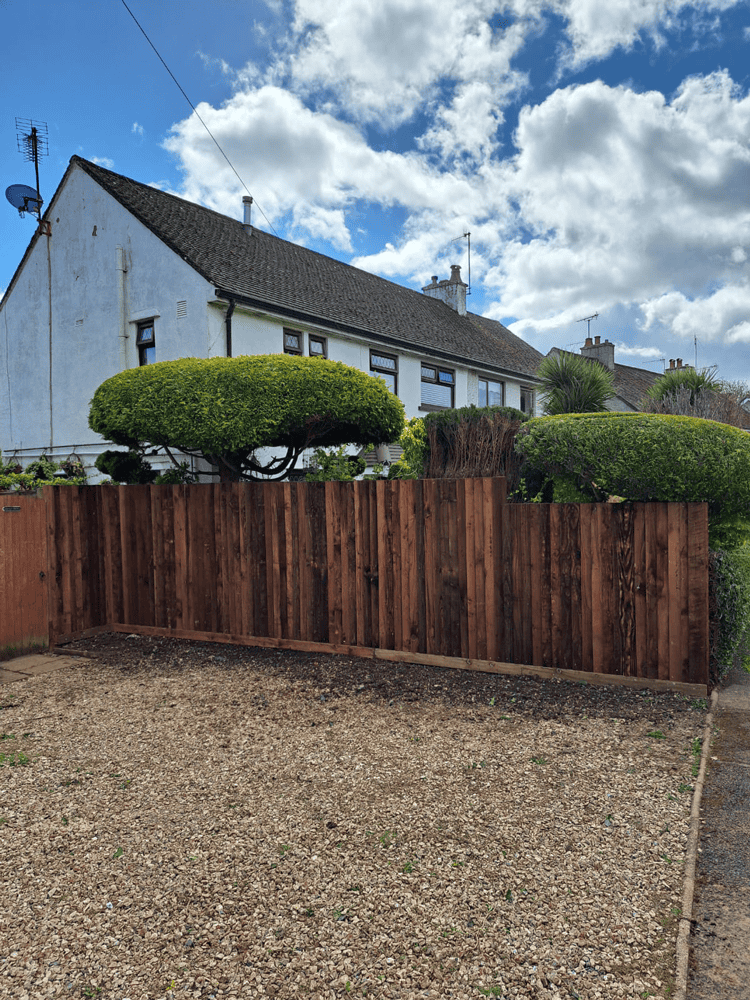
Replacing damaged or mismatched panels can immediately make the entire space appear more finished. In narrow gardens, consistent fencing helps reduce visual clutter, while horizontal styles can make the plot feel wider.
Fencing can also be used within the garden to screen bins, storage areas or working sections without hiding the whole space. If privacy is the main concern, consider how the height and position of the fence will interact with nearby trees and planting.
Properly installed garden fencing will provide privacy and structure without making the garden feel unnecessarily enclosed.
Work with Established Trees Where Possible
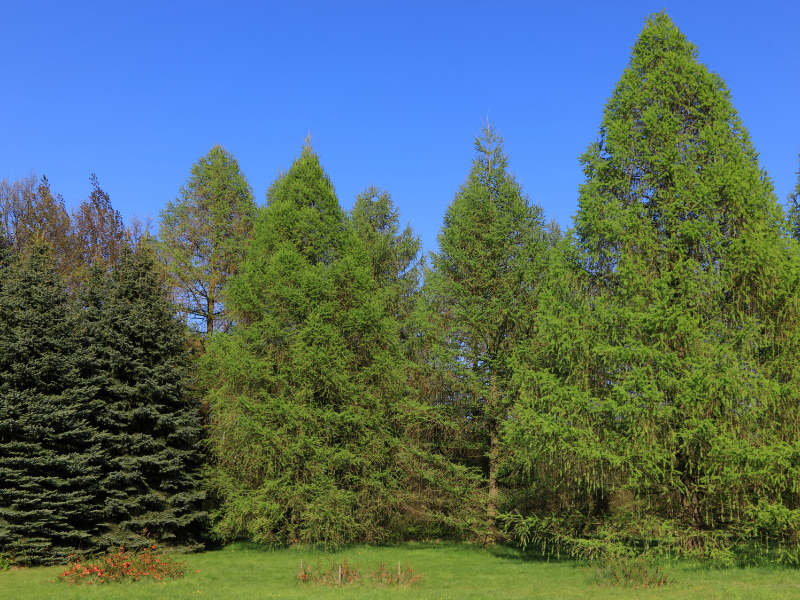
Mature trees can complicate a garden redesign, but they may also provide shade, privacy and a strong focal point.
Before deciding to remove one, consider whether careful pruning or crown reduction could make it work better within the new layout. Opening the canopy may allow more light into the garden while retaining the tree’s character.
Tree roots also need to be considered when planning patios, retaining walls and other hard landscaping. If a tree is unsafe, unsuitable for its position or affecting the use of the garden, seek advice from a professional offering tree surgery services.
Use Planting to Soften Changes in Level
Retaining walls and raised sections can look stark when first installed. Planting helps connect the different levels and makes the finished garden feel more established.
Trailing plants can soften the edge of raised beds, while shrubs and ornamental grasses add movement and structure. Using a limited range of plants repeatedly throughout the garden can help tie separate areas together.
Think realistically about maintenance. Large borders filled with demanding plants may look appealing initially, but simpler planting is often a better choice if you don’t want to spend every weekend looking after it.
Don’t Ignore Drainage
Changes in level affect where rainwater travels and collects. Any redesign should account for this before patios, turf or retaining features are installed.
Simply covering a troublesome area rarely solves the underlying problem. Water may need to be redirected, the soil improved or suitable drainage introduced as part of the groundwork.
Getting this right at the beginning helps protect the finished landscaping and prevents water from being pushed towards the house or neighbouring properties.
Build the Design Around the Garden You Have
An awkward garden doesn’t require every feature to be removed and rebuilt. Often, the strongest designs retain the useful elements and make thoughtful changes around them.
The aim should be to create a garden that works for your household, suits the property and can be maintained realistically. Changes in level, unusual boundaries and mature planting can all be incorporated successfully when the layout is properly planned.
EH Landscaping & Tree Services provides landscaping, turfing, fencing and tree care throughout Bishops Waltham and the surrounding area. If you would like help making better use of an awkward or uneven garden, contact the team to arrange a free quotation..