7 Signs Your Hampshire Garden Needs Professional Help (And What To Do About It)
Every homeowner dreams of a beautiful garden, but knowing when to call in the professionals can save you time, money, and frustration. If you've noticed any of these seven warning signs around your Hampshire property, it might be time to seek expert help. Here's what to look for and how professional garden services can transform your outdoor space.
1. Your Lawn Has More Bare Patches Than Grass
A healthy lawn should be thick, green, and relatively uniform. If you're seeing increasing areas of bare soil, persistent brown patches, or moss taking over, your lawn is crying out for help. Poor drainage, compacted soil, disease, or incorrect mowing height can all contribute to lawn decline.
Professional turfing services can completely transform a tired lawn. Rather than battling for years with patchy grass, new turf installation provides an instant, lush green carpet that's properly laid on prepared ground. Expert installers ensure proper drainage and soil preparation, giving your new lawn the best possible start. According to the Royal Horticultural Society, autumn and spring are ideal times for lawn renovation, when grass establishes quickly in mild, moist conditions.
For severely damaged lawns, starting fresh with quality turf often proves more cost-effective than attempting multiple renovation treatments. You'll have a beautiful lawn in days rather than months of uncertain results.
2. Tree Branches Are Hanging Over Your Roof or Power Lines
If tree branches are touching your roof, scraping against gutters, or growing dangerously close to power lines, you're facing both safety and property risks. Overhanging branches deposit leaves in gutters, scratch roof tiles during windy weather, and can cause serious damage if they break and fall.
This is definitively not a DIY job. Professional tree surgery addresses these hazards safely using proper equipment and techniques. Qualified arborists can assess the entire tree's health, remove problematic branches without damaging the tree, and ensure work near power lines is conducted safely, something that requires specialist knowledge and insurance.
Tree surgery isn't just about removal; it's about maintaining tree health whilst eliminating risks. Crown lifting, reduction, and shaping can transform an overgrown tree into a well-proportioned garden feature whilst protecting your property from damage.
3. Your Garden Fence Is Leaning, Broken, or Rotten
Fencing does more than mark boundaries, it provides security, privacy, and shelter for your garden. If panels are leaning, posts are wobbly, or you can see rot at ground level, your fence is on borrowed time. Winter storms often deliver the final blow to already compromised fencing, leaving you facing emergency repairs at the worst possible time.
Addressing fencing problems proactively saves money and stress. Professional installers can assess whether individual panels need replacing or if the entire fence requires renewal. They'll ensure posts are set at the correct depth (typically 2-3 feet depending on height and exposure), use appropriate concrete fixing, and install panels that can withstand Hampshire's weather conditions.
Modern pressure-treated timber offers significantly better longevity than older fencing, whilst proper installation techniques prevent common problems like wind damage and premature rot. Quality fencing installation is an investment that protects your privacy and property value for 15-25 years.
4. Hedges Have Grown Out of Control
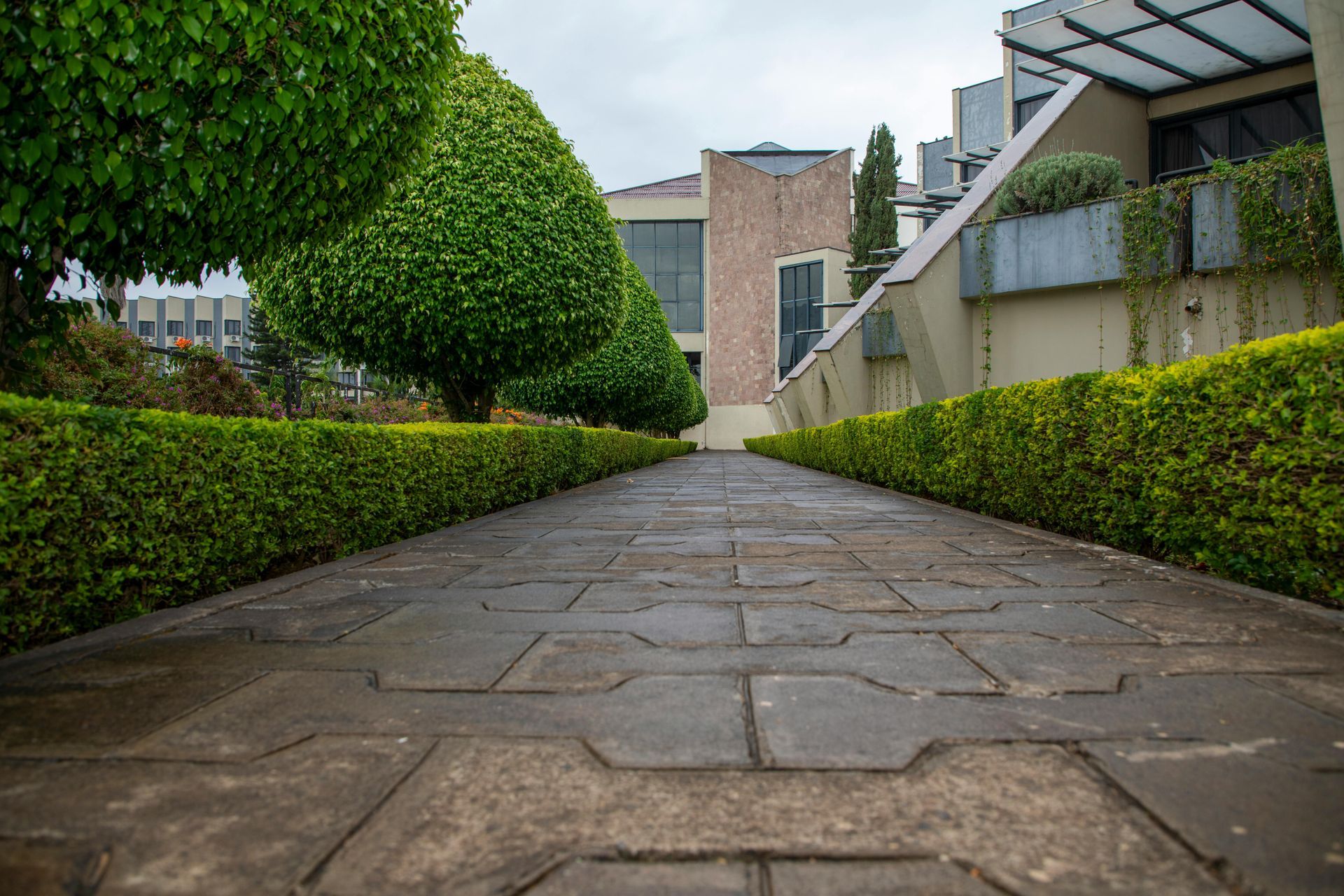
We've all been there, you look away for one growing season and suddenly your neat hedge resembles a jungle. Overgrown hedges don't just look untidy; they can encroach on neighbouring properties, block light, and become increasingly difficult to manage as they grow thicker and taller.
Regular professional hedge cutting maintains shape and encourages dense growth at manageable heights. Crucially, experienced contractors understand the legal requirements around timing; it's illegal to cut hedges during bird nesting season (typically March through August) if nests are present, as outlined in UK wildlife legislation.
Severely overgrown hedges may require staged reduction over multiple years to restore them to appropriate size without shocking the plants. Professional hedge cutters have the equipment and knowledge to tackle even the most unruly hedges safely and effectively, transforming them back into attractive garden features.
5. Water Pools in Your Garden After Rain
If your lawn turns into a paddling pool after heavy rain, or certain areas remain waterlogged for days, you have drainage problems that will only worsen over time. Poor drainage suffocates grass roots, encourages moss, creates muddy messes, and limits how you can use your garden.
This is where comprehensive landscaping services become invaluable. Professional landscapers can assess drainage issues and implement solutions, whether that's installing French drains, adjusting garden levels, or creating proper run-off routes. They might recommend replacing problematic lawn areas with permeable paving, raised beds, or other features that work with your garden's natural drainage rather than fighting against it.
Proper drainage solutions require understanding of levels, soil types, and water flow, all areas where professional expertise prevents expensive mistakes and creates lasting solutions.
6. Your Garden Looks Tired and You Don't Know Where to Start
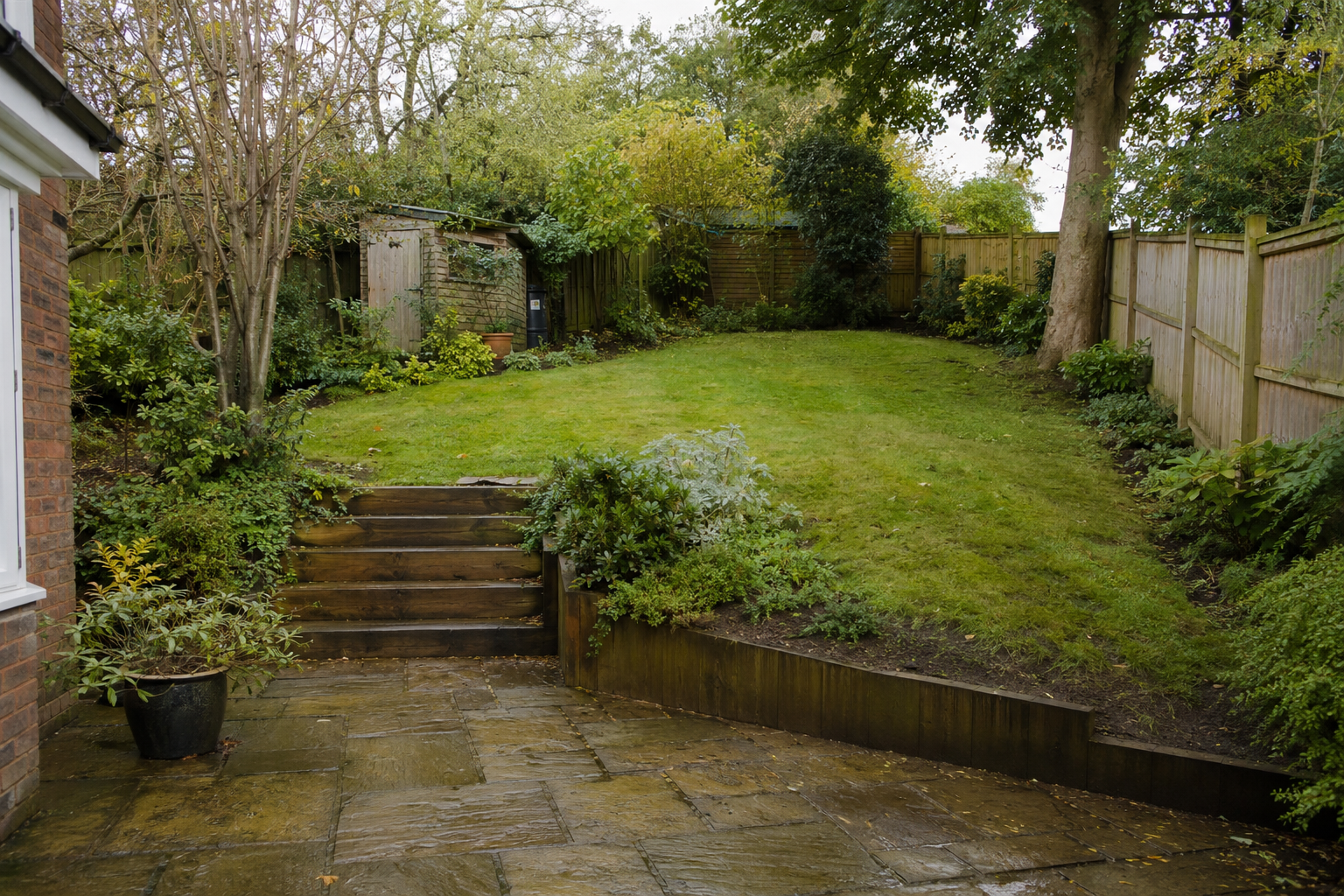
Sometimes the problem isn't one specific issue but an overwhelming sense that your entire garden needs help. Perhaps you've recently moved in, inherited an unloved garden, or simply feel uninspired by your outdoor space. The prospect of transforming it feels daunting, and you're not sure where to begin.
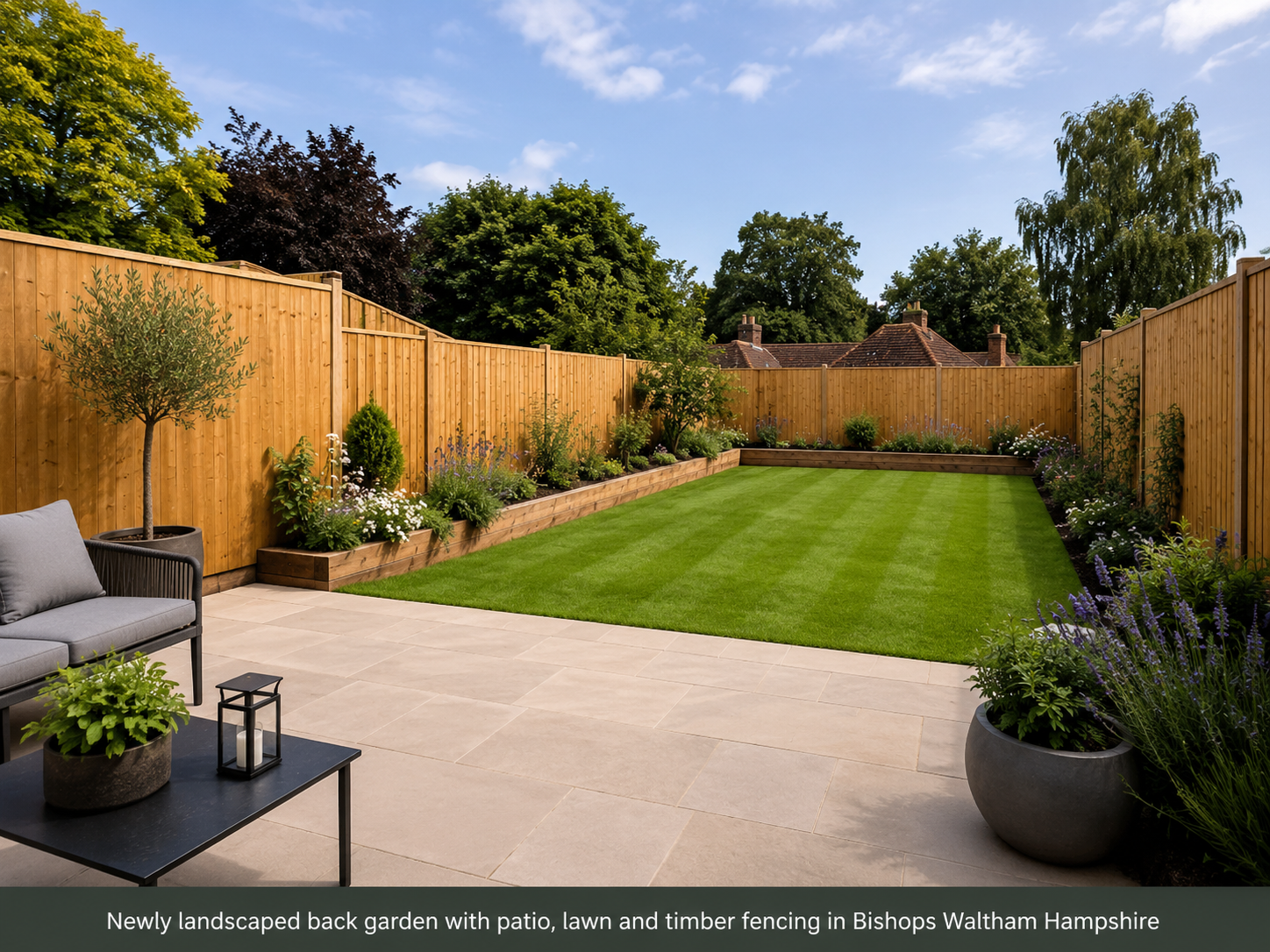
Professional landscaping services excel at taking tired gardens and creating beautiful, functional spaces tailored to how you actually want to use them. Whether you dream of entertaining areas, low-maintenance gardens, wildlife-friendly spaces, or formal designs, experienced landscapers can develop plans that suit your budget, property, and lifestyle.
The design process considers practical elements like sun exposure, soil conditions, and existing features, whilst incorporating your vision for the space. Professional installation ensures everything from paving and planting to lighting and irrigation is executed to high standards, creating a garden that genuinely enhances your life.
7. Established Trees Look Unhealthy or Haven't Been Checked in Years
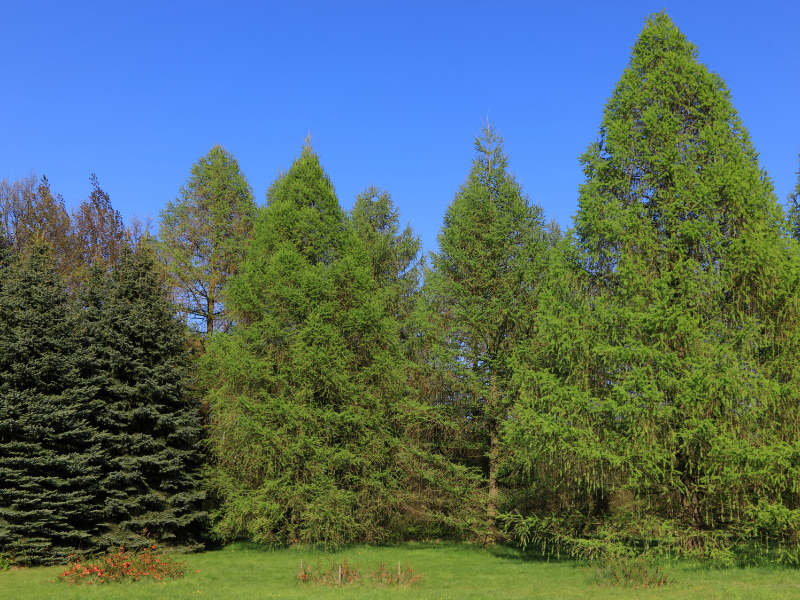
Trees are long-term investments in your property, but they require periodic professional assessment to remain healthy and safe. If you notice dead branches, unusual leaf loss, fungal growth on the trunk, or you simply can't remember when trees were last professionally inspected, it's time for an arboricultural assessment.
The Tree Council recommends regular tree inspections, particularly for mature specimens. Professional tree surgeons can identify early signs of disease, structural problems, or pest infestations that threaten tree health. Early intervention often saves trees that would otherwise decline, whilst identifying genuinely dangerous trees before they cause damage.
Regular tree maintenance including crown thinning, deadwood removal, and weight reduction extends tree life, improves appearance, and reduces storm damage risk. Think of it as healthcare for your trees, preventative care is always better than emergency treatment.
Taking Action: Where to Start
If you've recognised several of these signs in your Hampshire garden, don't feel overwhelmed. Professional garden services can tackle these issues systematically, often addressing multiple problems in coordinated projects that make sense practically and financially.
The first step is simply getting expert assessment. Reputable companies serving Southampton, Winchester, and surrounding Hampshire areas offer free consultations where they'll evaluate your garden's needs and provide clear quotations for recommended work.
Whether you need urgent tree work, a complete garden transformation, or regular maintenance to keep everything looking its best, professional help ensures quality results that enhance your property's value and your enjoyment of your outdoor space. Your garden is an extension of your home, it deserves the same care and professional attention you give to maintaining your house itself.