Planning a Garden Makeover? Start Here
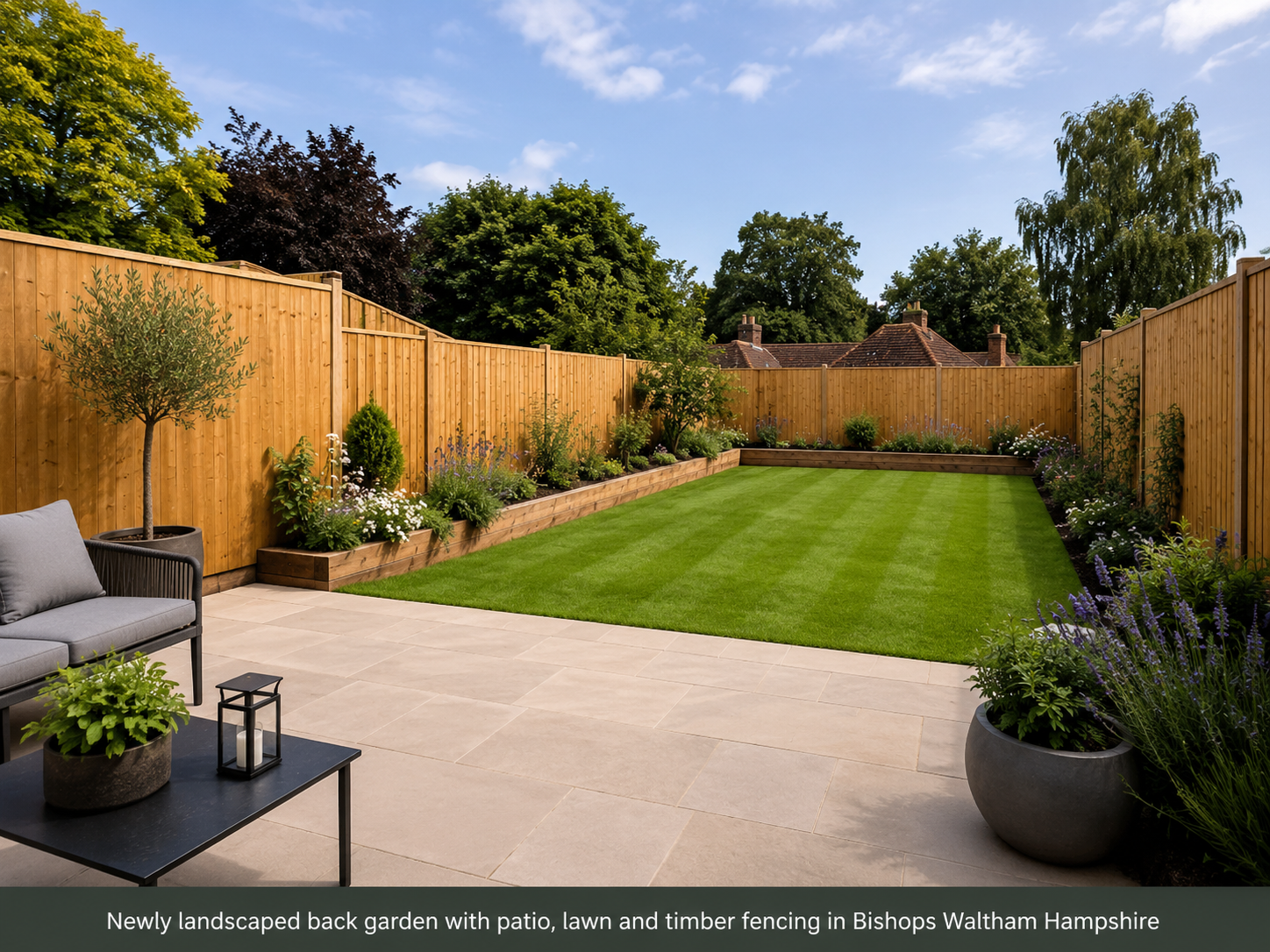
There's usually a moment that tips the decision. Maybe the lawn has given up entirely, the patio is cracked and uneven, or you've looked out at the same unloved space for one winter too many and decided this is the year something actually gets done about it.
Whatever the trigger, a garden makeover is one of those home improvement projects that tends to repay the effort well, both in daily enjoyment and in how the property sits on the market when the time comes. But it's also a project where the planning matters every bit as much as the work itself. Get it right from the start, and the whole thing comes together more smoothly and more cost-effectively than you might expect.
Start With How You Want to Use the Space
Before any spades go in the ground, it's worth having a clear picture of what the garden actually needs to do. This sounds obvious, but it's the step that gets skipped most often, and it's where a lot of regret starts.
Different households have very different requirements:
- Families with young children typically need open lawn space, durable surfaces near play areas, and low-maintenance planting that doesn't require constant attention during the busier weeks of the year
- Entertaining and outdoor dining work best with a generous patio, some shelter from prevailing wind, and practical lighting for evenings
- Low-maintenance gardens are often the goal for older homeowners or those with demanding schedules; the key is replacing labour-intensive grass and borders with surfaces and plants that largely look after themselves
- Pet-friendly spaces need secure fencing with no obvious gaps, robust surfaces that hold up to wear, and an awareness of which plants can be harmful to dogs or cats
- Gardens used for growing food need sunlight mapping, raised beds, and paths that connect everything usefully
Getting clear on this before anything else shapes every decision that follows, from what surfaces you choose to where the budget is best spent.
Consider the Structure Before the Planting
The bones of a garden are what make everything else last. Patios lift and crack, pathways sink, and fencing fails prematurely if the groundwork isn't done properly. Fixing structural problems once a garden is planted and established is expensive and disruptive, so it's worth investing in getting this stage right.
The structural elements that most commonly need attention include:
- Patios and seating areas: Size, position and material all need to reflect how the space will actually be used. A patio that's too small for a table and four chairs is a frustration you'll notice every single summer
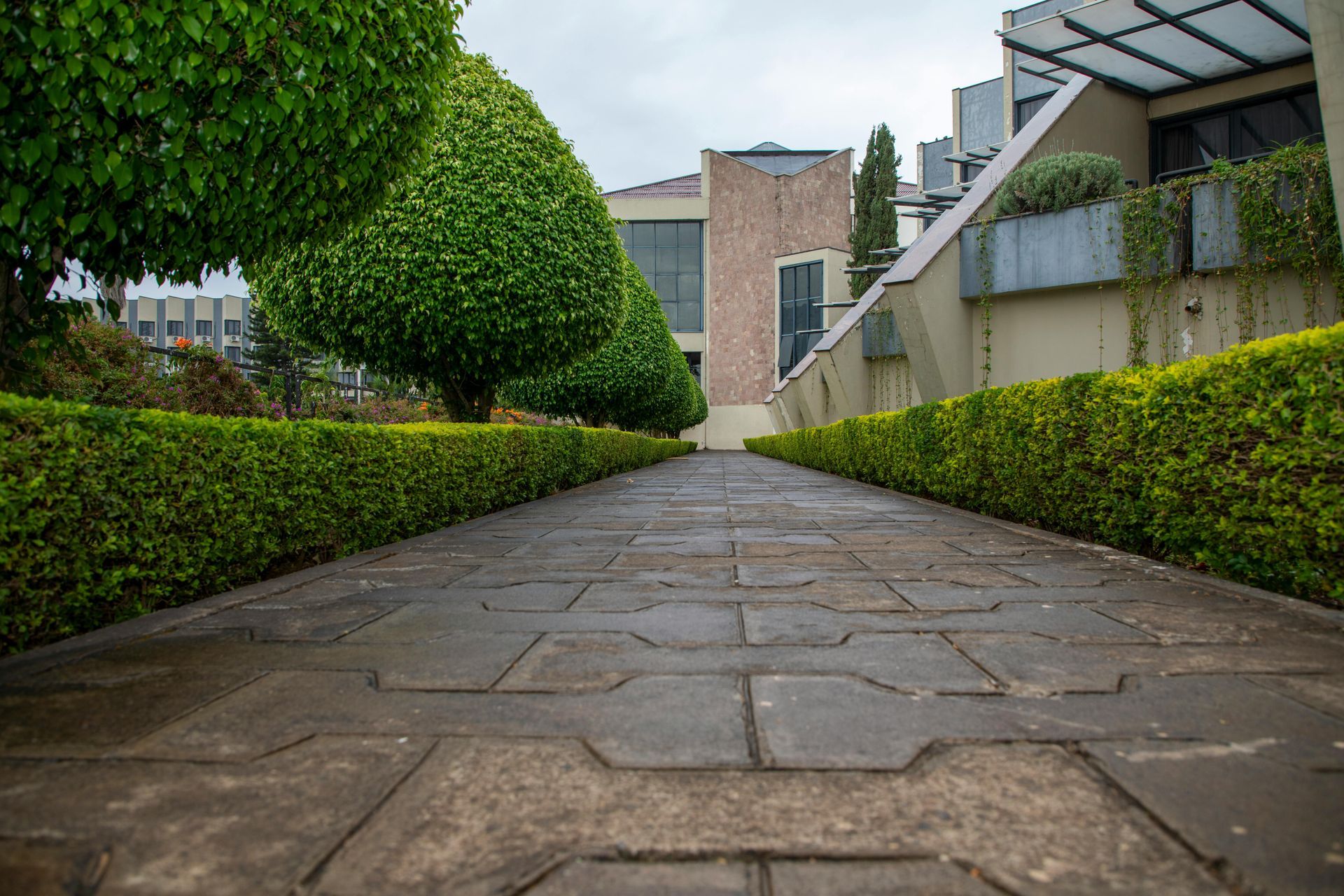
- Pathways: Practical routes that lead somewhere useful tend to get used; decorative paths that don't connect anything of value often don't
- Fencing and boundaries: These define the space visually as well as practically, and poor-quality fencing installed without proper posts and adequate concrete will need replacing within a few years
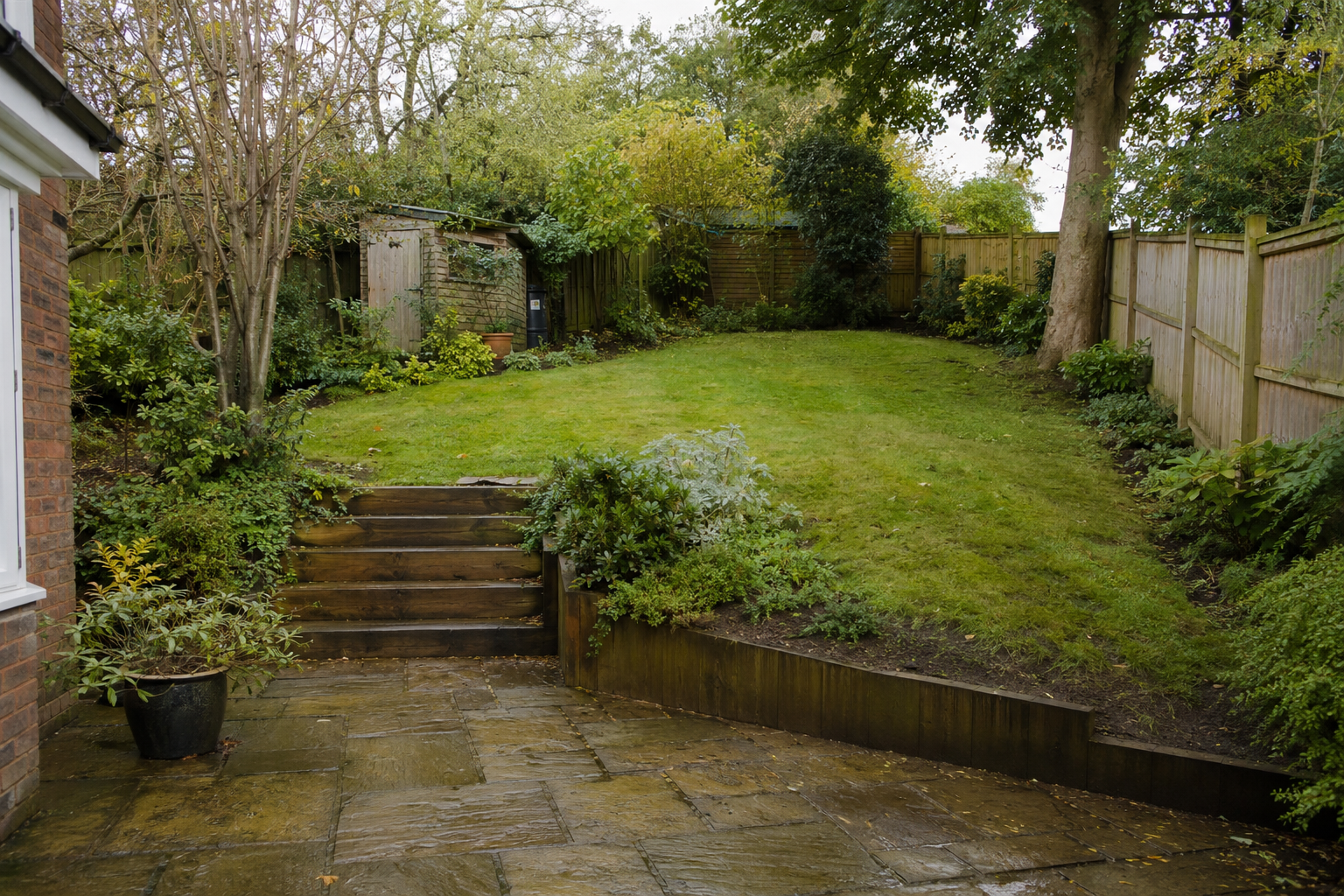
- Retaining walls and level changes: If your garden slopes, the decision of whether to work with the gradient or address it needs to be made early; retaining features add cost but can transform a difficult plot entirely
- Ground preparation: The unglamorous part that makes everything else perform properly; drainage issues, compacted subsoil, and poor topsoil all need addressing before any surface goes down
The landscaping services at EH Landscaping and Tree Services cover this groundwork properly, which makes a meaningful difference to how long finished surfaces and features hold up over time.
Choosing the Right Surfaces and Materials
This is where most homeowners spend the most time deliberating, and where there are genuine trade-offs worth understanding before committing to anything.
| Surface | Pros | Cons | Best For |
|---|---|---|---|
| Natural turf | Looks great, soft underfoot | Needs regular mowing and maintenance | Families, pets, traditional gardens |
| Artificial grass | Low maintenance, stays green year-round | Upfront cost, can get warm in summer | Busy households, shaded areas |
| Porcelain paving | Durable, low maintenance, wide style range | Higher cost, needs proper base | Modern gardens, patios, paths |
| Natural stone | Premium finish, ages well | Variable quality, needs sealing | Character properties, cottage gardens |
| Decorative gravel | Cost-effective, good drainage | Can spread, weeds can establish | Low-maintenance borders, driveways |
| Composite decking | Warm underfoot, long-lasting | Can be slippery when wet | Entertaining areas, raised sections |
Artificial grass installation has become increasingly popular across Bishops Waltham and the surrounding villages, particularly for households that want a tidy, usable lawn year-round without committing to regular mowing. It isn't right for every garden, but in the right setting and with proper installation, it performs very well.
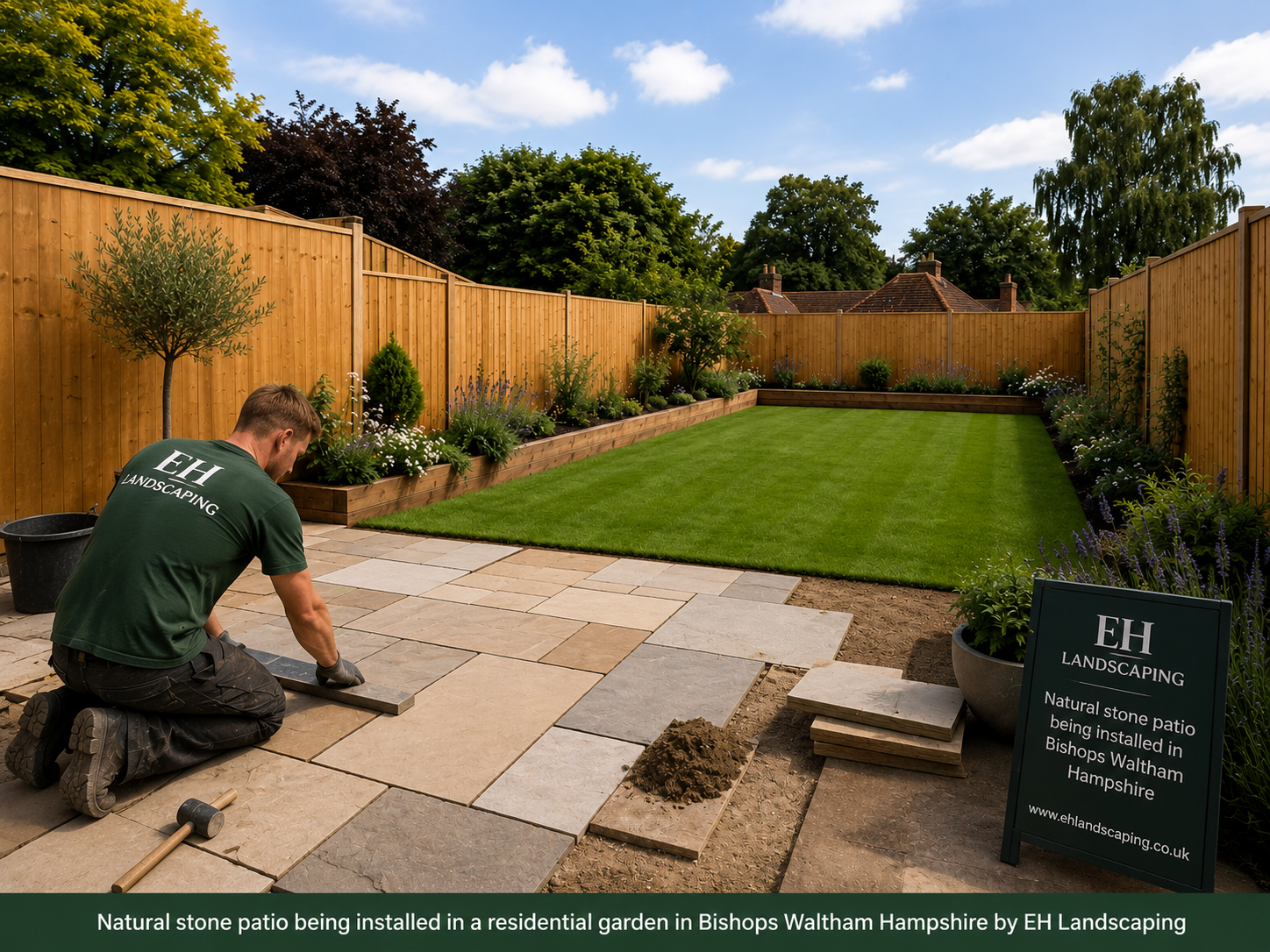
For patios, it's worth remembering that the base preparation matters just as much as the material on top. A porcelain slab laid on an inadequate base will lift and crack within a season or two, regardless of how good the slab itself is.
Don't Forget Boundaries and Privacy
Fencing tends to be treated as an afterthought in garden planning, but it has a significant effect on how the finished space looks and feels to use.
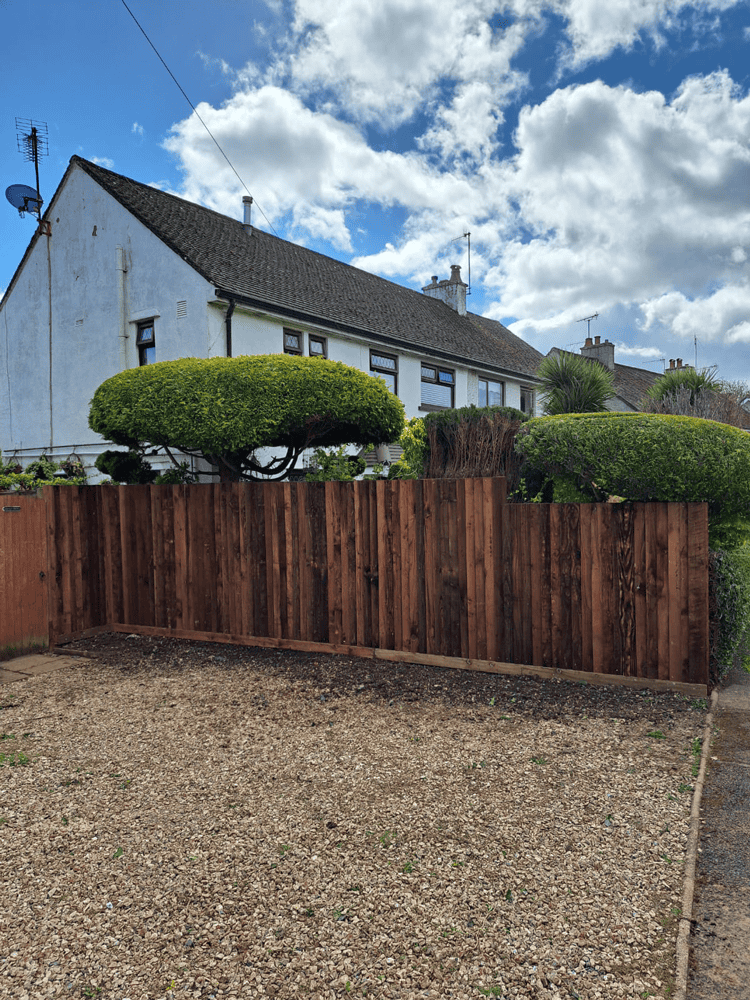
Good garden fencing does several things at once. It creates privacy from neighbouring properties and the street, provides a clean visual backdrop for beds and planting, adds a layer of security, and in exposed plots can reduce wind significantly enough to make a real difference to how comfortable the space is to spend time in.
The key decisions are height, material, and fixing method. Fence panels without properly concreted posts won't last, and repeatedly replacing fencing that blows down in winter is a false economy every time.
Hedging is worth considering as an alternative or a complement to timber fencing in larger gardens. It takes longer to establish, but it provides excellent privacy, looks entirely natural, and supports wildlife in a way that solid panels never can. Hedge cutting services are something EH Landscaping handles regularly, so it's worth factoring in ongoing maintenance if this route appeals.
Working With a Professional Landscaper
The practical argument for getting professional input early is straightforward: a well-planned project tends to cost less overall than one that gets changed or corrected partway through.
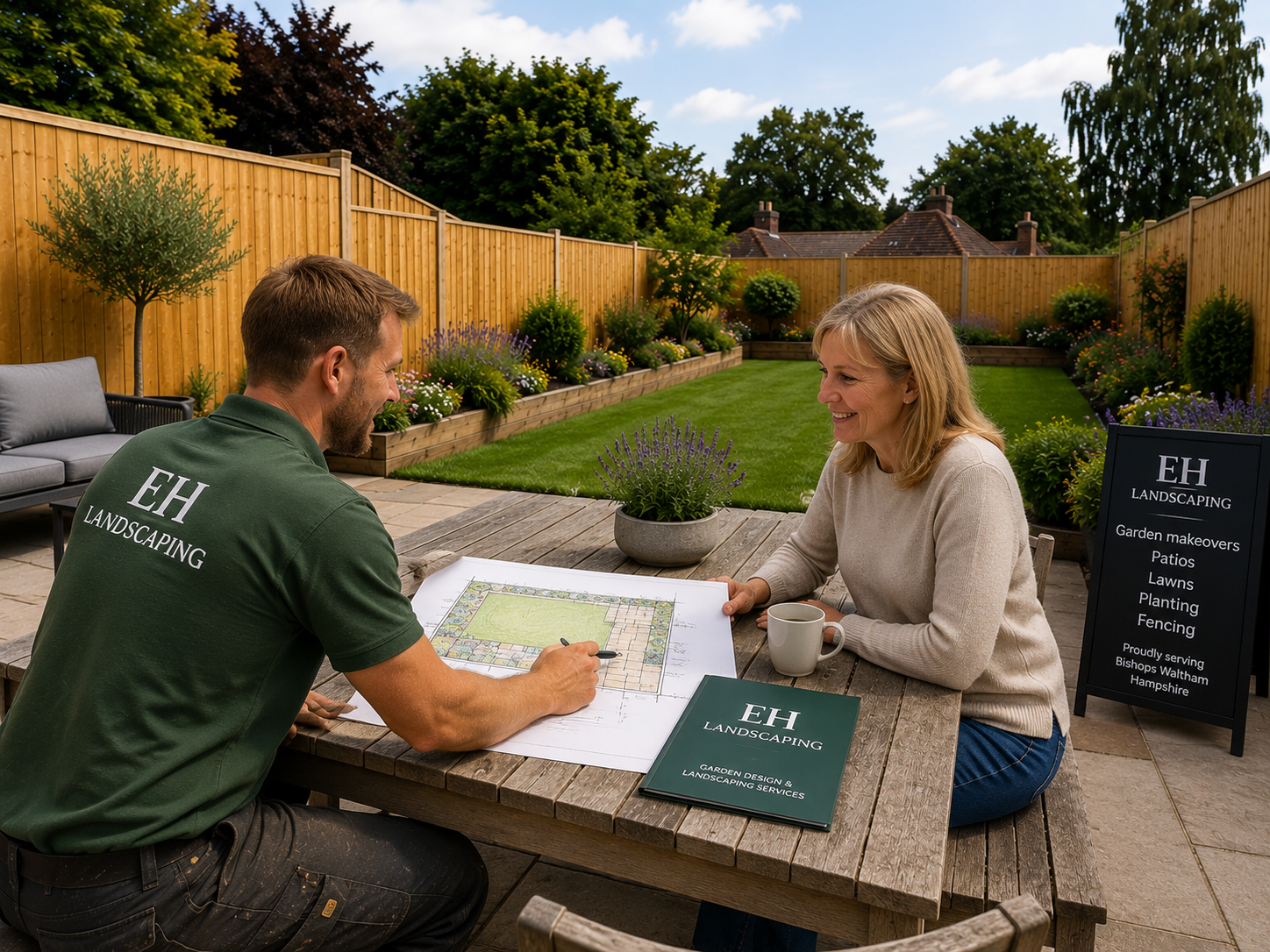
A good landscaper will help you understand what's realistic for your budget, flag drainage or structural issues before they become expensive problems, advise on materials and layouts that will hold up over time, and sequence the work so that different elements don't interfere with each other.
For homeowners in Bishops Waltham, Wickham, Droxford, Swanmore, Botley and the wider Meon Valley area, turfing services and full design-and-build landscaping projects are something EH Landscaping takes on regularly. Local knowledge of soil conditions, drainage patterns, and the climate in this part of Hampshire also makes a practical difference when specifying materials and plants.
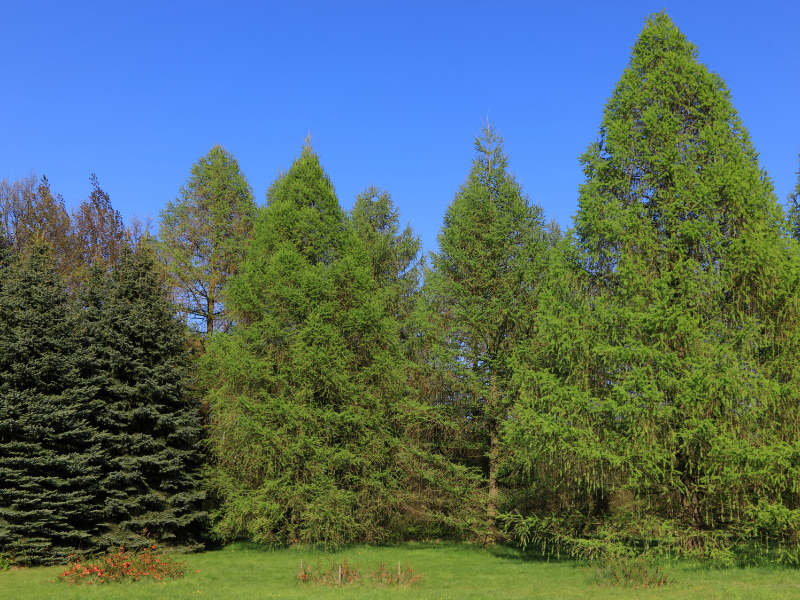
If there are mature trees on or near the site, it's also worth factoring in tree surgery services from the outset. Trees that overhang a planned patio, cast heavy shade over a proposed lawn, or have surface roots that complicate groundwork are far better dealt with as part of the project rather than as a costly afterthought once everything else is finished.
How long does a typical garden makeover take?
It depends entirely on the scope. A patio installation or turfing job might take two or three days. A full redesign involving structural changes, new fencing, surfacing, and planting can run to a week or more. A reputable landscaper will give you a realistic programme before any work starts, so you know what to expect.
Do I need planning permission for garden landscaping?
Most standard garden work doesn't require planning permission, but there are exceptions. Structures above a certain height, work within conservation areas, and changes to boundaries near listed buildings may need consent. It's always worth checking with your local planning authority if you're in any doubt, particularly if you live in or near a conservation area around Bishops Waltham.
Is artificial grass a good long-term option?
For the right garden, yes. Quality artificial grass typically lasts ten to fifteen years with very little maintenance, performs well in shaded areas where natural grass often struggles, and suits households that want a presentable garden without the time commitment of regular lawn care. The upfront cost is higher than natural turf, but the ongoing maintenance cost is considerably lower.
When is the best time of year to start a garden project?
Late autumn through to early spring tends to work well for structural work, ground preparation, and fencing. Spring and early summer are generally better for turfing and planting. In practice, a good landscaper will advise on timing based on the specifics of your project and what's needed.
Ready to Start Planning?
A garden makeover is one of those projects where a conversation before you commit saves both time and money. If you're in Bishops Waltham or the surrounding area and you're thinking about what's possible with your outdoor space, get in touch with EH Landscaping and Tree Services for a no-obligation chat.
We're happy to take a look at what you're working with and talk through the options before any decisions are made. Visit ehlandscapingandtreeservices.co.uk to find out more or to get in touch.